
Introduction
Solar PV systems are often expected to operate consistently over long periods with minimal intervention. In practice, however, a range of conditions may develop over time that influence performance, reliability, and overall system behaviour.
These conditions are not always immediately apparent and may not present in a consistent manner. In many cases, system performance is influenced by a combination of factors rather than a single identifiable issue.
The following observations are drawn from field experience across a range of systems and are provided to give general context to how solar systems may behave over time.
System Behaviour Over Time
Solar systems are exposed to ongoing environmental and operational influences, including temperature variation, weather exposure, and general material ageing. While many systems continue to operate without noticeable issue, others may exhibit gradual changes in performance that are not immediately obvious.
These changes may occur unevenly across a system, resulting in variations that are difficult to identify without broader consideration of system behaviour.
Localised Conditions
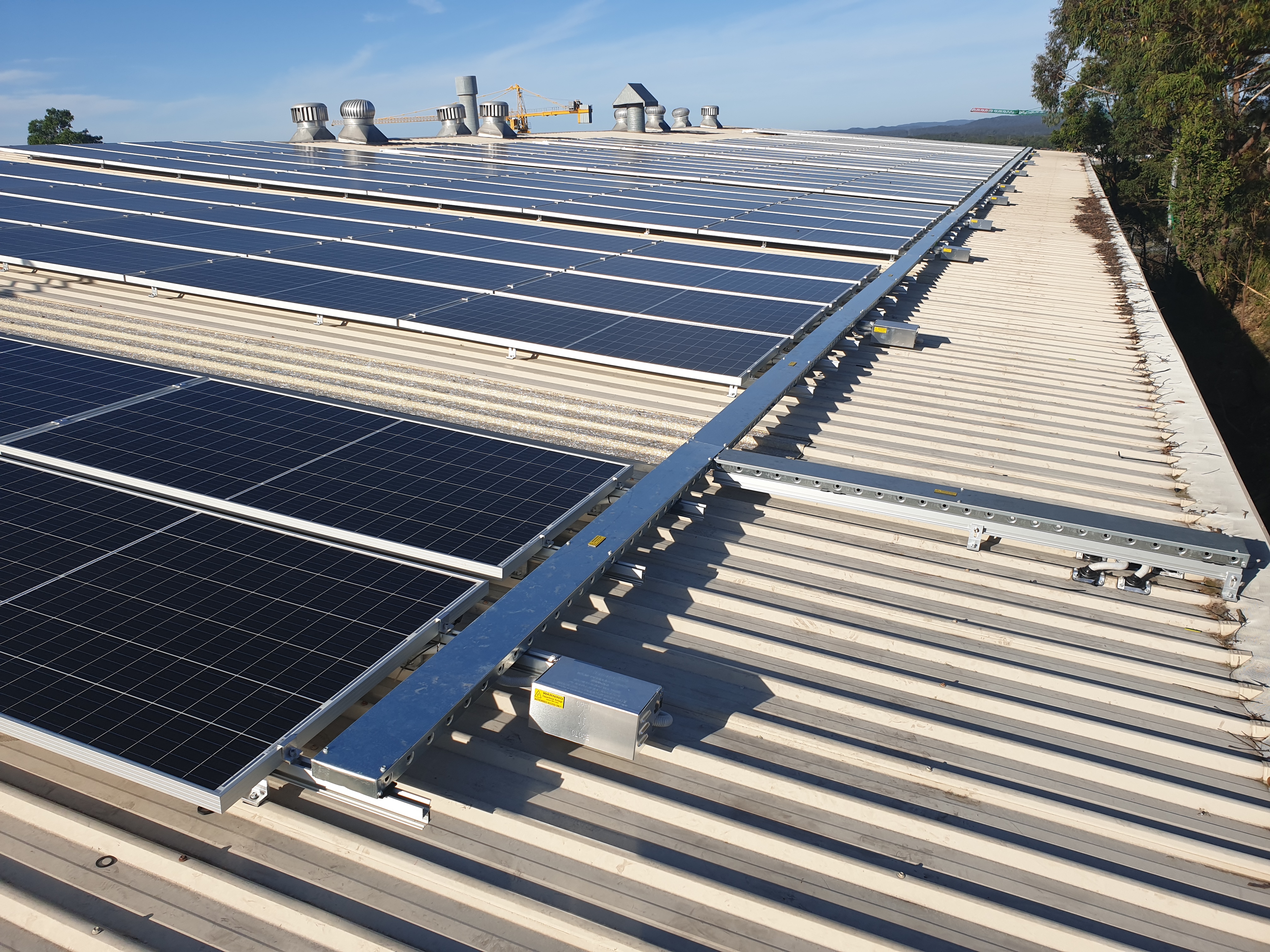
Certain conditions may affect only a portion of a system while the remainder continues to operate normally. These localised issues may not significantly impact overall output in the early stages, but can become more pronounced over time.
Because these conditions are often not visible externally, they may remain undetected until performance differences become more evident.
Performance Variation
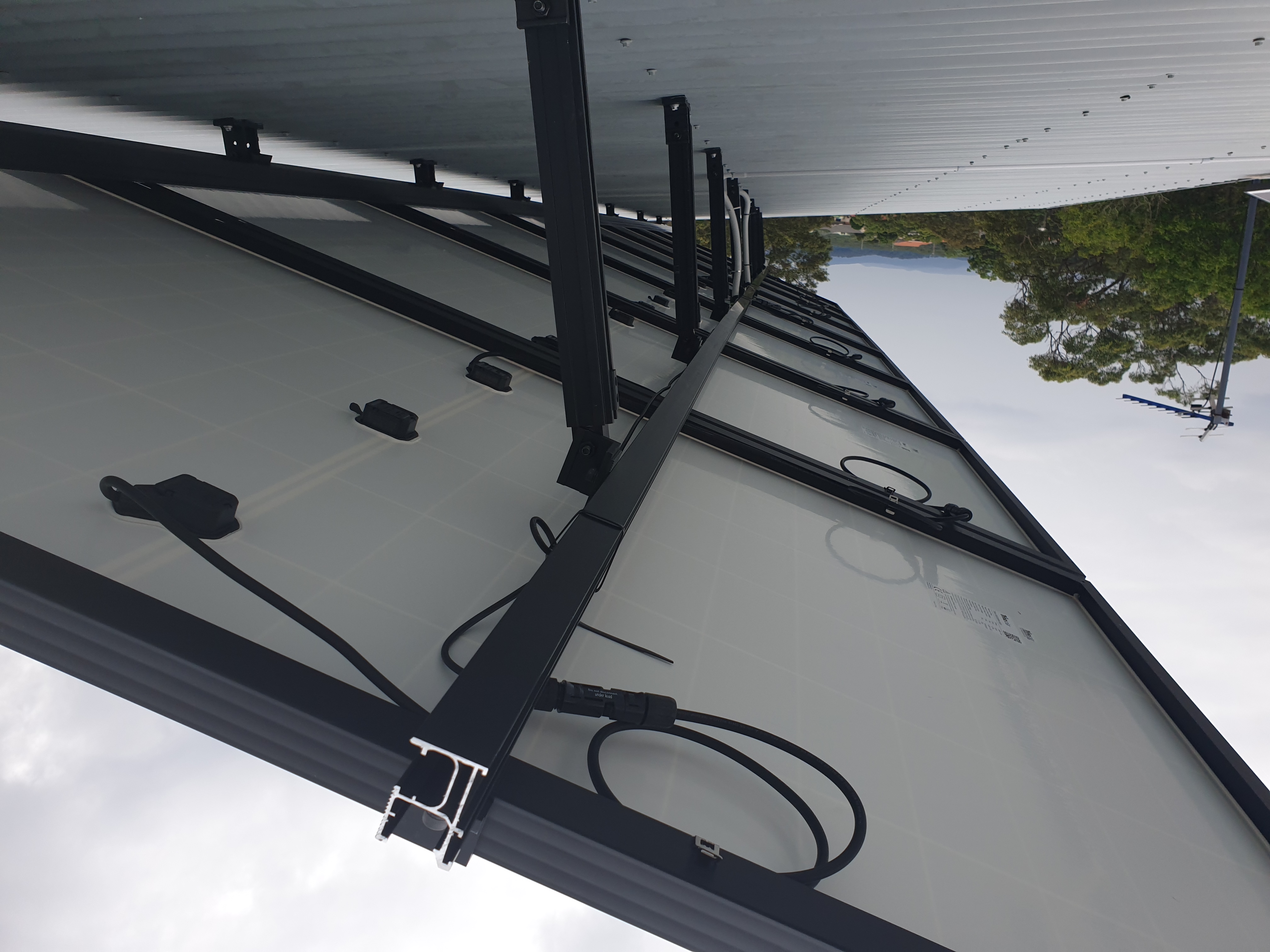
Variations in system output are not uncommon and may be influenced by a range of factors, including system configuration, environmental conditions, and component behaviour.
In some cases, performance may fluctuate within a reasonable range, while in others it may indicate the presence of an underlying condition. Distinguishing between these situations requires an understanding of how the system is expected to perform within its operating environment.
Interpreting Output
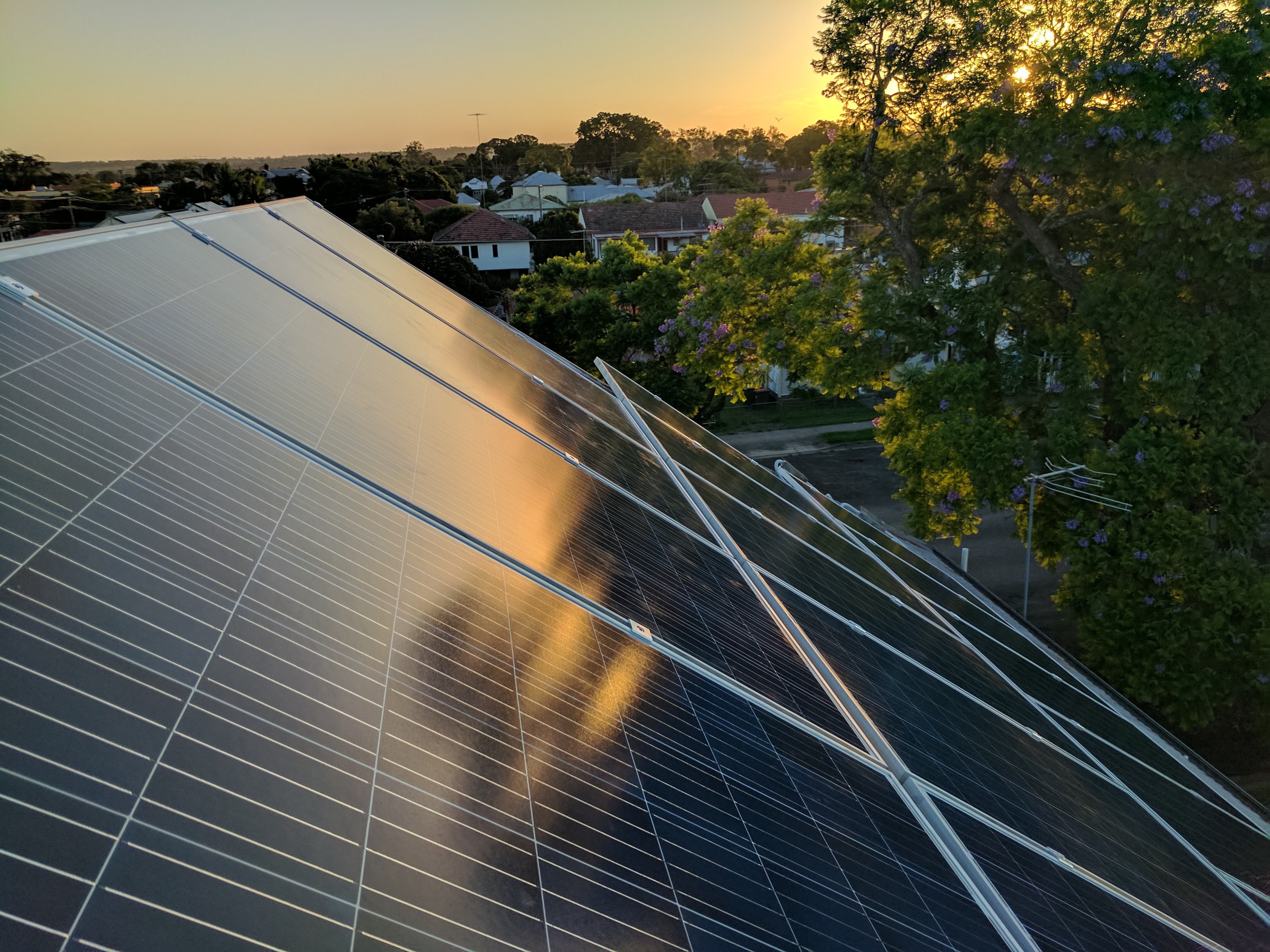
System performance is often assessed based on output data or inverter feedback. While this information can provide a general indication of system behaviour, it does not always reflect the full condition of the system.
In some situations, a system may appear to be operating normally while underlying issues are present. In others, variations in output may be attributed to external factors rather than faults within the system itself.
Understanding these distinctions requires consideration of the system as a whole.
Installation Influence
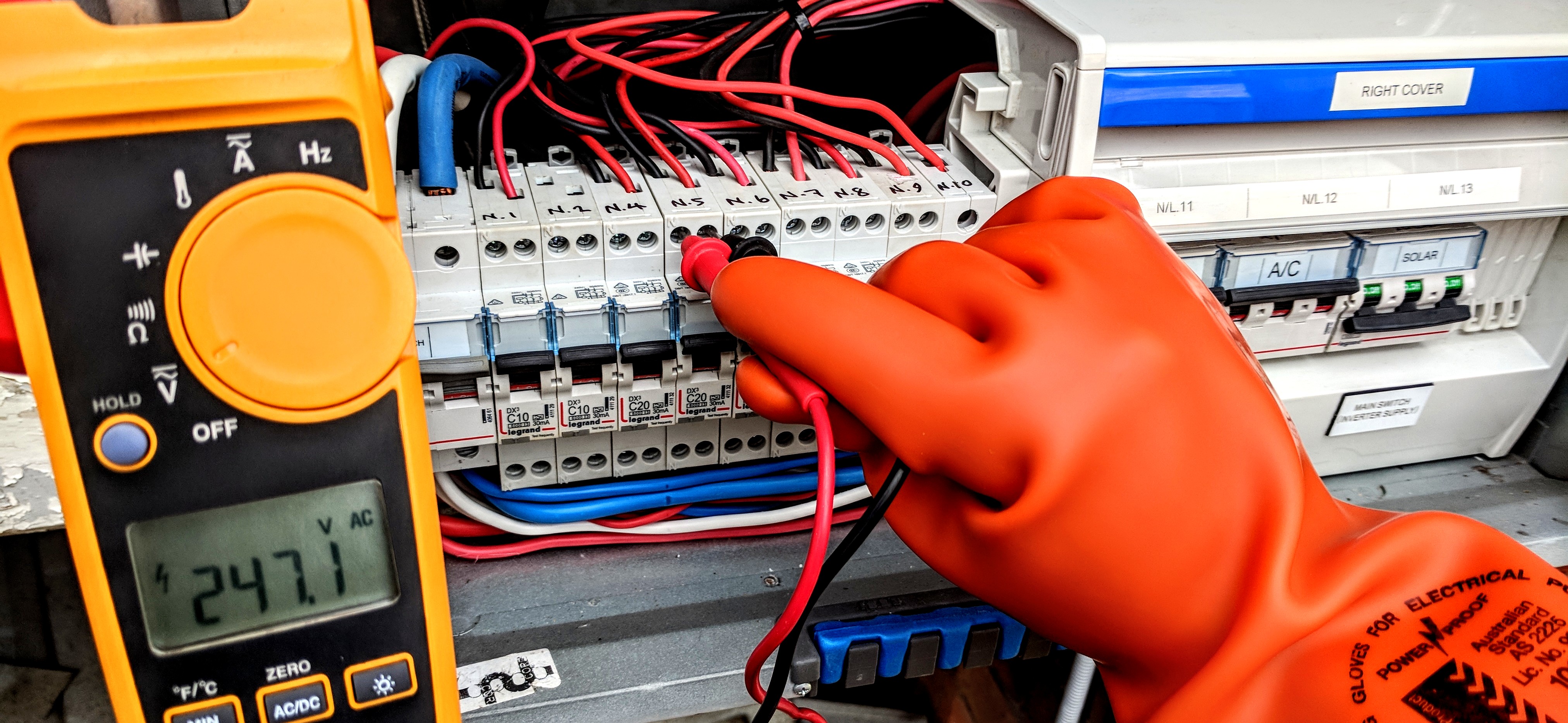
The manner in which a system has been installed can influence its long-term performance and behaviour. Variations in installation practices, component selection, and system configuration may contribute to differences between systems that are otherwise similar in size or layout.
These influences are not always immediately apparent and may only become evident over time as the system continues to operate.
Combined Effects
In many cases, system behaviour is influenced by a combination of factors rather than a single isolated condition. These may include minor variations across components, environmental influences, and installation-related characteristics.
When considered individually, these factors may appear insignificant. However, when combined, they can influence overall system performance in a more noticeable way.
Context
The purpose of this information is not to provide definitive conclusions for any individual system, but to illustrate the types of conditions that may be encountered and the way in which system behaviour can vary over time.
Each system should be considered in its own context, with attention given to both its physical condition and its performance characteristics.