
Introduction
Solar system inspections are undertaken to establish an accurate understanding of both system condition and operational performance. This is particularly relevant where there is uncertainty surrounding output, suspected damage, or concern regarding how the system is functioning over time.
In many cases, issues are not immediately visible and may not be reflected clearly through basic monitoring systems. As a result, a broader view is required to understand how the system is behaving in practice.
Context of Inspection
Solar systems are exposed to a range of environmental and operational influences over their lifespan. While many continue to operate without issue, others may develop conditions that affect performance or long-term reliability.
These conditions are not always attributable to a single cause. Installation practices, component variation, environmental exposure, and system configuration may all contribute to how a system performs over time.
Understanding this context is critical when assessing whether a system is operating as intended.
What is Being Assessed
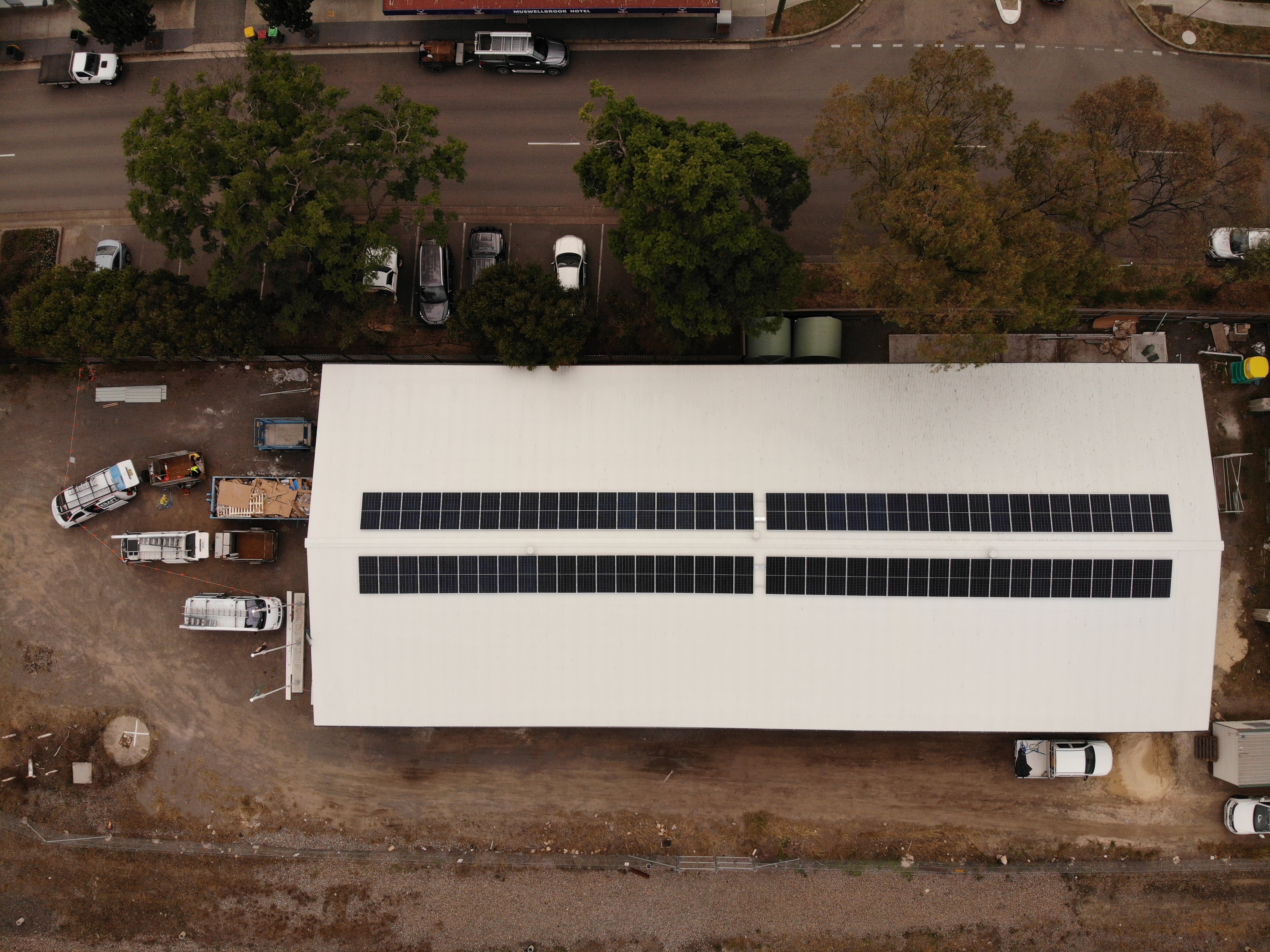
The purpose of inspection is not limited to identifying visible defects. Consideration is given to both the physical condition of the system and its behaviour under normal operating conditions.
This includes how consistently the system performs, whether output aligns with expectations, and whether any observed irregularities are indicative of underlying issues.
Where multiple contributing factors may be present, these are considered collectively rather than in isolation.
Physical Condition
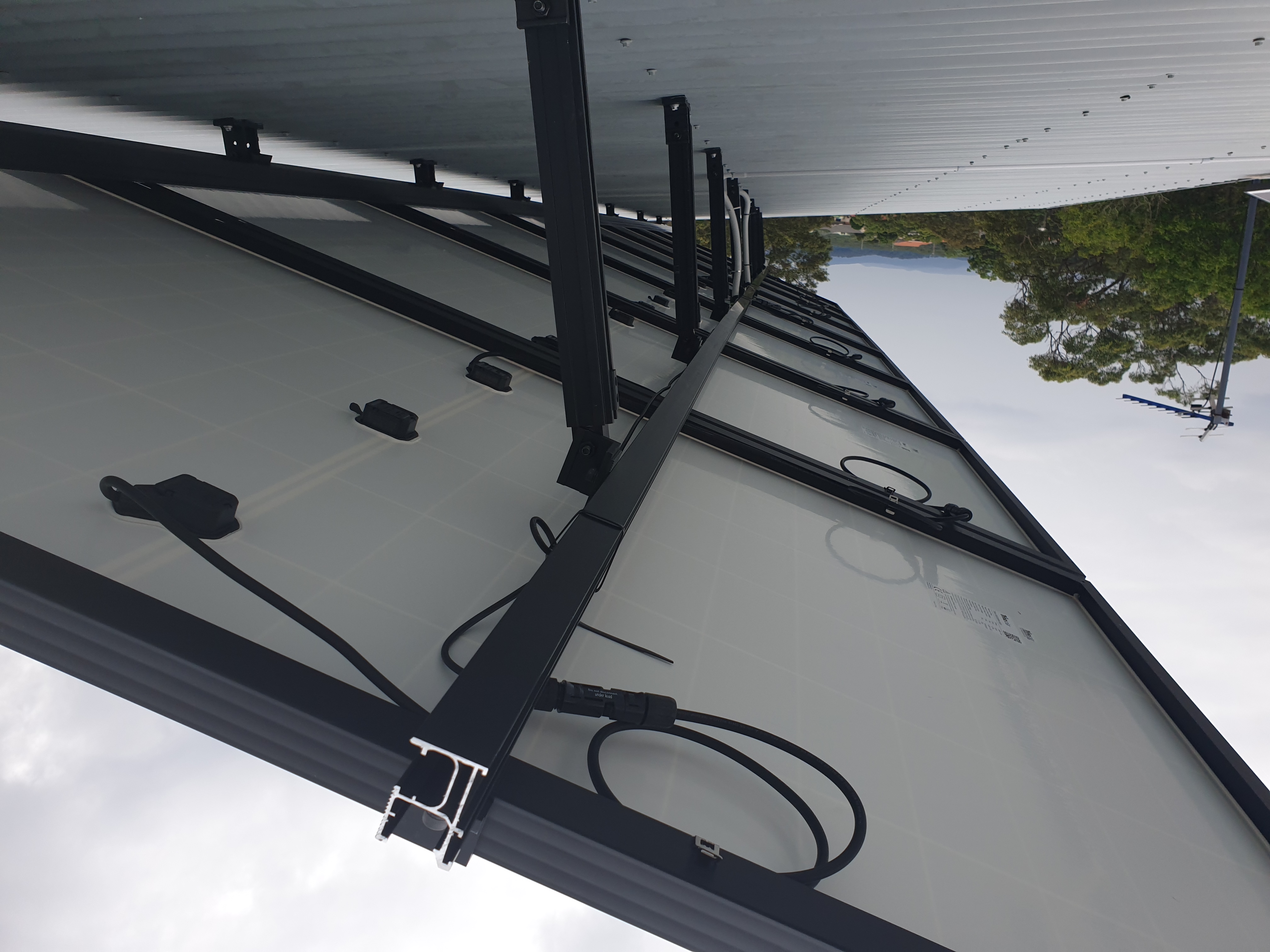
The physical condition of a system can provide insight into its long-term behaviour. This includes how the system has been installed, how components have been secured, and how the overall structure has been integrated into the building.
Certain conditions may not be immediately apparent from above, and in many cases develop gradually over time. These may influence performance indirectly, or contribute to ongoing degradation if left unaddressed.
Performance Observation
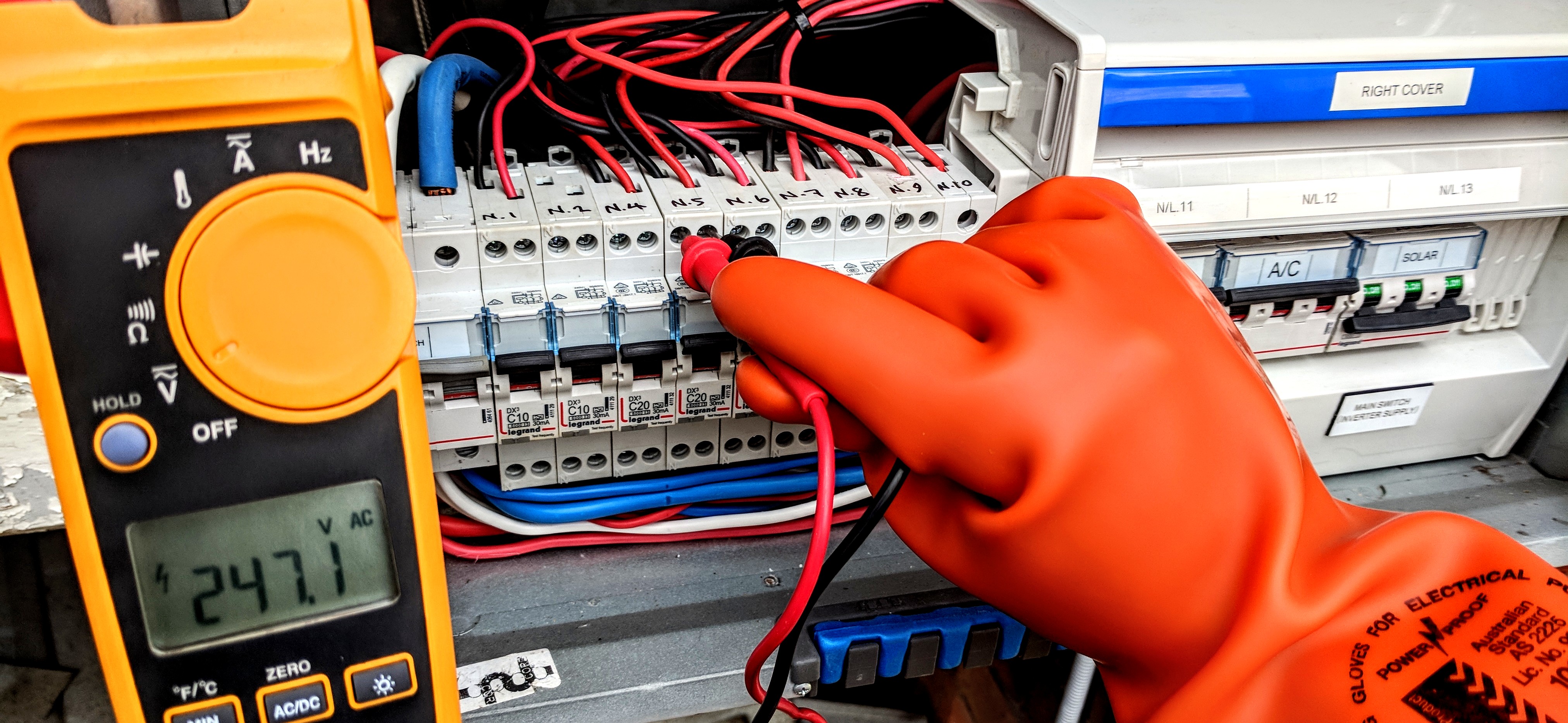
Performance-related concerns are often the primary reason for inspection. Where output is lower than expected, or where behaviour appears inconsistent, it is important to establish whether the system is operating within reasonable parameters.
Variations in performance can arise from a number of factors. These may relate to system design, component condition, or external influences that affect how the system operates throughout the day.
Understanding these variations requires consideration of the system as a whole.
Scale and Variation
Experience across a range of system types provides context when assessing individual installations. Systems of similar size or appearance may perform differently depending on how they have been designed and installed.
This variation becomes more apparent when assessing systems beyond standard residential configurations, where differences in layout, exposure, and configuration can influence overall behaviour.
Findings and Interpretation
Findings are not based on a single observation, but on the relationship between system condition and performance. This allows conclusions to be formed with a greater degree of confidence, particularly where no single issue is immediately identifiable.
In many cases, what appears to be a minor irregularity may be indicative of a broader condition, while in other situations multiple small factors may combine to influence overall performance.
Outcome
The outcome of an inspection is a clear understanding of system condition and behaviour. This provides a basis for determining whether the system is operating as intended, or whether further consideration is required.
Where necessary, recommendations are provided in the context of the observed condition of the system and its intended function.
When This Is Relevant
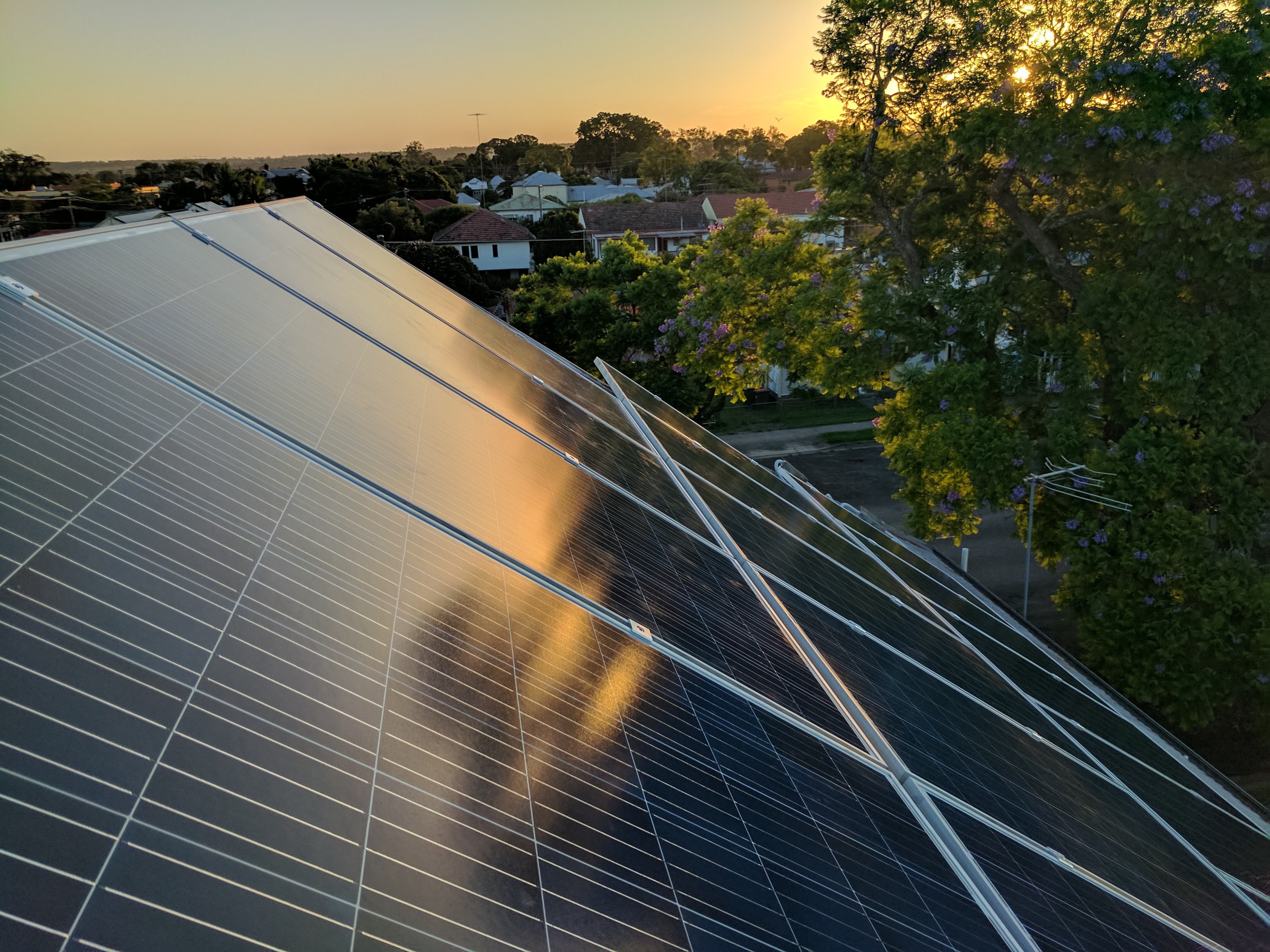
Inspection and assessment may be appropriate where system performance has declined or is inconsistent, damage is suspected following weather events, faults or irregular behaviour have been observed, or independent input is required to support further decision-making.
Contact
Enquiries relating to solar inspection or system assessment can be directed via email.
[email protected]